Corrosion is one of the most challenging issues when it comes to maintaining the performance and longevity of sliding bearings. In environments where heavy loads, moisture, and contaminants are prevalent, sliding bearings are at a high risk of corrosion, which can lead to increased friction, wear, and premature failure of critical machinery components. For industries relying on heavy-duty equipment, such as mining, oil & gas, automotive manufacturing, and marine engineering, addressing corrosion in sliding bearings is vital to prevent costly downtime and operational failures.
In this article, we will explore the causes of corrosion in sliding bearings, the impact it has on performance, and most importantly, the practical solutions available to prevent and manage corrosion in these vital components. By implementing the right strategies, industries can extend the life of their bearings, reduce maintenance costs, and ensure efficient operations.

What Causes Corrosion in Sliding Bearings?
Corrosion in sliding bearings typically occurs due to the following factors:
1. Exposure to Moisture and Humidity
Sliding bearings are often exposed to moisture, humidity, or even submersion in water in certain industries (e.g., marine or offshore). Moisture causes rust and corrosion on the bearing surfaces, leading to surface degradation, which increases friction and wear.
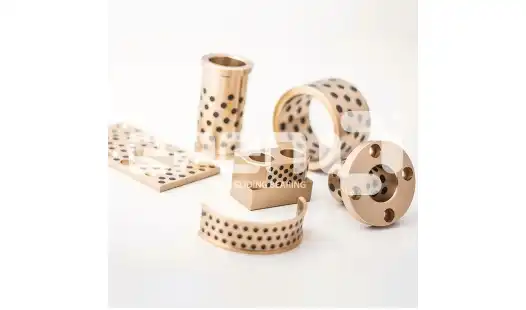
🔗 Explore our corrosion-resistant sliding bearings: EPEN Sliding bearing
2. Contamination from Abrasive Materials
In industries like mining or construction, sliding bearings are often exposed to abrasive materials, such as dirt, sand, or metal particles. These contaminants can scratch the bearing surface, weakening the material and allowing corrosion to set in more easily.
3. Exposure to Harsh Chemicals
Chemical environments, especially in industries like chemical processing, oil & gas, and agriculture, expose sliding bearings to corrosive substances. Acidic or alkaline chemicals can corrode the metal surfaces of bearings, affecting their performance and leading to increased maintenance costs.
4. High-Temperature Environments
In high-temperature environments, such as those found in heavy machinery or industrial applications, the heat can weaken the protective coatings of sliding bearings, making them more susceptible to corrosion. At elevated temperatures, metal expands and contracts, which can further contribute to bearing degradation.
Impact of Corrosion on Sliding Bearings
Corrosion in sliding bearings can have several detrimental effects on the overall performance and longevity of machinery, including:
1. Increased Friction and Wear
Corrosion leads to the degradation of the bearing’s surface, causing increased friction between the bearing and its counterpart. This leads to more wear and tear, reducing the efficiency of the equipment.
2. Reduced Load-Bearing Capacity
Corrosion can weaken the structural integrity of the bearing material, reducing its ability to handle heavy loads. This can result in premature failure and increased downtime for repairs or replacements.
3. Higher Maintenance Costs
As corrosion increases wear and tear on sliding bearings, the need for frequent maintenance and replacement parts increases. This escalates operating costs, as well as production downtime, which can have a significant impact on profitability.
4. Failure and Downtime
The most severe consequence of corrosion is the failure of the bearing, which can result in catastrophic equipment breakdowns. These failures often lead to unplanned downtime, which can affect productivity and lead to expensive repairs.
Practical Solutions for Managing Corrosion in Sliding Bearings
To address corrosion issues and improve the lifespan and reliability of sliding bearings, several practical solutions can be implemented:
1. Use of Corrosion-Resistant Materials
One of the most effective ways to combat corrosion in sliding bearings is by choosing corrosion-resistant materials. Materials such as stainless steel, bronze, and special alloys offer natural resistance to corrosion and are ideal for use in environments where moisture or chemicals are present. Additionally, advanced composite materials can be used for bearing liners to enhance corrosion resistance without sacrificing performance.
2. Coating and Surface Treatments
Applying protective coatings such as chrome plating, nickel plating, or thermal spray coatings can help prevent corrosion by acting as a barrier between the metal and the environment. These coatings provide enhanced protection against moisture, chemicals, and abrasives, significantly improving the bearing's lifespan.
Additionally, surface treatments such as hard anodizing or phosphating can further enhance the corrosion resistance of sliding bearings by improving their surface hardness and wear resistance.
3. Regular Lubrication and Maintenance
Proper lubrication is crucial in reducing the effects of corrosion on sliding bearings. Using high-quality lubricants that are resistant to corrosion can help protect bearing surfaces from moisture and contaminants. Regular maintenance schedules, including cleaning and reapplying lubricant, can also help ensure that bearings perform optimally and resist corrosion.
4. Environmental Control
In some cases, controlling the environmental factors that contribute to corrosion can be a viable solution. This may include controlling humidity in enclosed spaces, using desiccant materials to absorb moisture, or installing seals and gaskets that prevent contaminants from entering the bearing housing. In highly corrosive environments, creating a controlled environment or using sealed bearings can help prevent corrosion damage.
5. Regular Inspections
Frequent inspections and condition monitoring can help detect signs of corrosion before they lead to bearing failure. By regularly inspecting bearings for rust, pitting, or surface wear, operators can take corrective action early and prevent major issues that could disrupt operations.
Why Choose CNEPEN for Corrosion-Resistant Bearings?
At CNEPEN, we specialize in providing high-performance sliding bearings designed to withstand harsh environmental conditions. With our advanced technology and corrosion-resistant materials, we help industries protect their machinery from corrosion-related failures, reducing maintenance costs and improving operational efficiency.
Benefits of Choosing CNEPEN:
Superior Corrosion Resistance: Our bearings are designed with advanced materials and protective coatings to ensure long-lasting performance.
Custom Solutions: We provide customized bearing solutions tailored to the specific needs of your industry.
Reliable Support: Our team of experts offers technical support and guidance to help you choose the best solutions for your applications.
🔗 Get in touch with us today for corrosion-resistant sliding bearing solutions: www.cnepen.com/contact-us
Comparative Analysis: Corrosion Behavior of Sliding Bearings vs. Other Bearings
Engineers choose the best bearing types for certain jobs when they know how relative performance characteristics work. Each type of bearing has its own pros and cons when used in corrosive settings.
Features of Performance in Corrosive Conditions
Sliding bearings usually have bigger contact areas that handle the weight well, but they may be more likely to hold dirt compared to rolling element designs. Rolling bearings focus the load on smaller contact points. This can lead to higher stress in a few small areas, but it also makes cleaning and maintenance easier.
Hydrodynamic bearings use fluid films to keep the parts separate. If they are properly maintained, they get great protection from corrosion, but they may be weak at startup and shutdown when the films are not there.
Standards for Choosing Tough Environments
The level of environmental severity affects what kind of bearing is used. If the corrosive conditions are only moderate, standard materials with better protection may be okay. But if the environment is extreme, it is necessary to use specialized alloys or other bearing technologies.
Bearing selection is affected by load characteristics and corrosion. Even though they might be hard to keep from rusting, sliding bearings may be needed for high-load applications. These bearings need extra protection to make sure they keep working.
About Epen: Your Trusted Partner for Corrosion-Resistant Sliding Bearings
Jiashan Epen Bearing Co., Ltd. is a top manufacturer of high-performance plain bearings and wear plates that are made to work in tough conditions. Our wide range of products includes metal-plastic composite series, bimetal bearings, and sliding bearings with single metal series, all of which have different uses in the industrial world.
Our engineering know-how covers water conservancy, metallurgy, machine tools, plastics machinery, construction machinery, and cars. We know how corrosion affects each of these industries differently, and we create specific solutions that work well and extend the service life.
Epen's promise to research and development makes sure that new materials and manufacturing methods are always being created. For our customers around the world, we keep prices low while offering standard catalog sizes and custom designs made to high quality standards.
Conclusion
To be able to handle corrosion in sliding bearings, you need to choose the right materials, use protective steps, and follow a regular maintenance schedule. Understanding environmental issues and using the right prevention methods significantly extends the life of bearings and lowers the cost of operations. Strategic procurement choices and partnerships with suppliers bring extra value in the form of technical knowledge and dependable support services. In a lot of industrial settings, using high-quality corrosion-resistant bearings makes systems more reliable and lowers the need for repairs, which saves money.
FAQs
What are some signs that sliding bearings are rusting?
Corrosion starts early with changes in color or texture on the surface, the formation of rust or pits, and more friction when used. Also, a lot of heat, dirt, and strange vibrations can mean that there's corrosion that needs to be fixed right away.
In places that are hard to get to, how often should you check sliding bearings for rust?
You need to check more often when the environment is bad and the application is important. In difficult marine or chemical settings, inspections might need to happen once a month, but once every three months might be enough in moderate industrial settings. For important uses, it is helpful to have systems that constantly check and report on performance right away.
If sliding bearings don't have protection against corrosion, do they need to be replaced or can it be added to them instead?
Bearings that are still working can get new protective coatings or better sealing systems. Bearings that are rusty are usually swapped out for ones that don't rust and are made to work in certain conditions.
Partner with Epen for Superior Sliding Bearing Solutions
Epen provides high-tech sliding bearings that are resistant to corrosion and designed to work in the most difficult situations. Our deep knowledge and wide range of products make sure that people all over the world get the best construction equipment, industrial machines, and other specialized tools.
Our engineering team offers personalized advice to deal with specific corrosion issues and operational needs. Epen offers good prices, on-time delivery, and full technical support for the entire life of your project, whether you need standard catalog items or custom solutions.
Ready to make your equipment more reliable with the help of a proven sliding bearings manufacturer? Get in touch with our experts right away to talk about your needs and the chance to buy in bulk. For more information on technical specs and custom solutions, email our technical team at epen@cnepen.cn.
References
Smith, J.R., et al. "Corrosion Mechanisms in Industrial Bearing Applications: A Comprehensive Analysis." Journal of Tribology and Materials Engineering, Vol. 45, 2023.
Anderson, M.K. "Advanced Materials for Corrosion-Resistant Bearing Design." International Conference on Mechanical Components, Proceedings 2022.
Chen, L.W. and Thompson, D.A. "Lubrication Strategies for Harsh Environment Bearing Applications." Lubrication Science Quarterly, Issue 3, 2023.
Rodriguez, C.M. "Predictive Maintenance Techniques for Industrial Bearing Systems." Maintenance Technology International, Vol. 28, 2022.
Williams, P.J., et al. "Comparative Performance Study of Bearing Materials in Marine Environments." Marine Engineering Review, Vol. 67, 2023.
Kumar, S.R. "Cost-Benefit Analysis of Corrosion Prevention in Industrial Machinery." Industrial Management and Engineering Economics, Vol. 12, 2022.