As global industries modernize and maintenance costs rise, engineers and procurement managers are increasingly focused on cost effectiveness without compromising performance. Among the most scrutinized components in this conversation are EU POM bushings—high-performance polymer plain bearings made from Polyoxymethylene (POM) for low friction and good wear resistance.
In 2025, Asia and Europe continue to be key manufacturing hubs for EU POM bushings, with China and Germany representing two of the most competitive sourcing options. This cost comparison explores the differences between Chinese and German EU POM bushings—from manufacturing cost to long‑term lifecycle value—to help buyers make informed decisions.
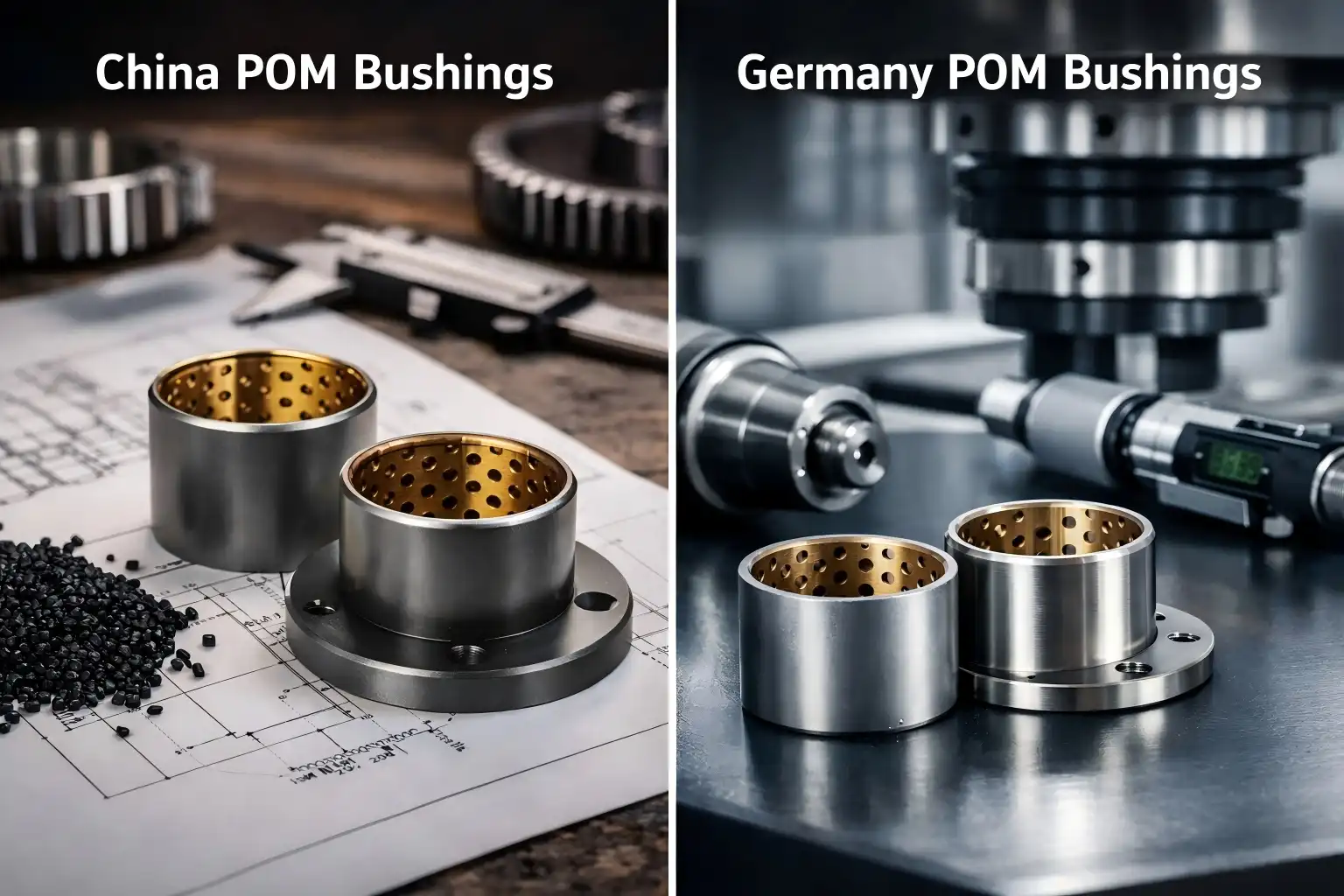
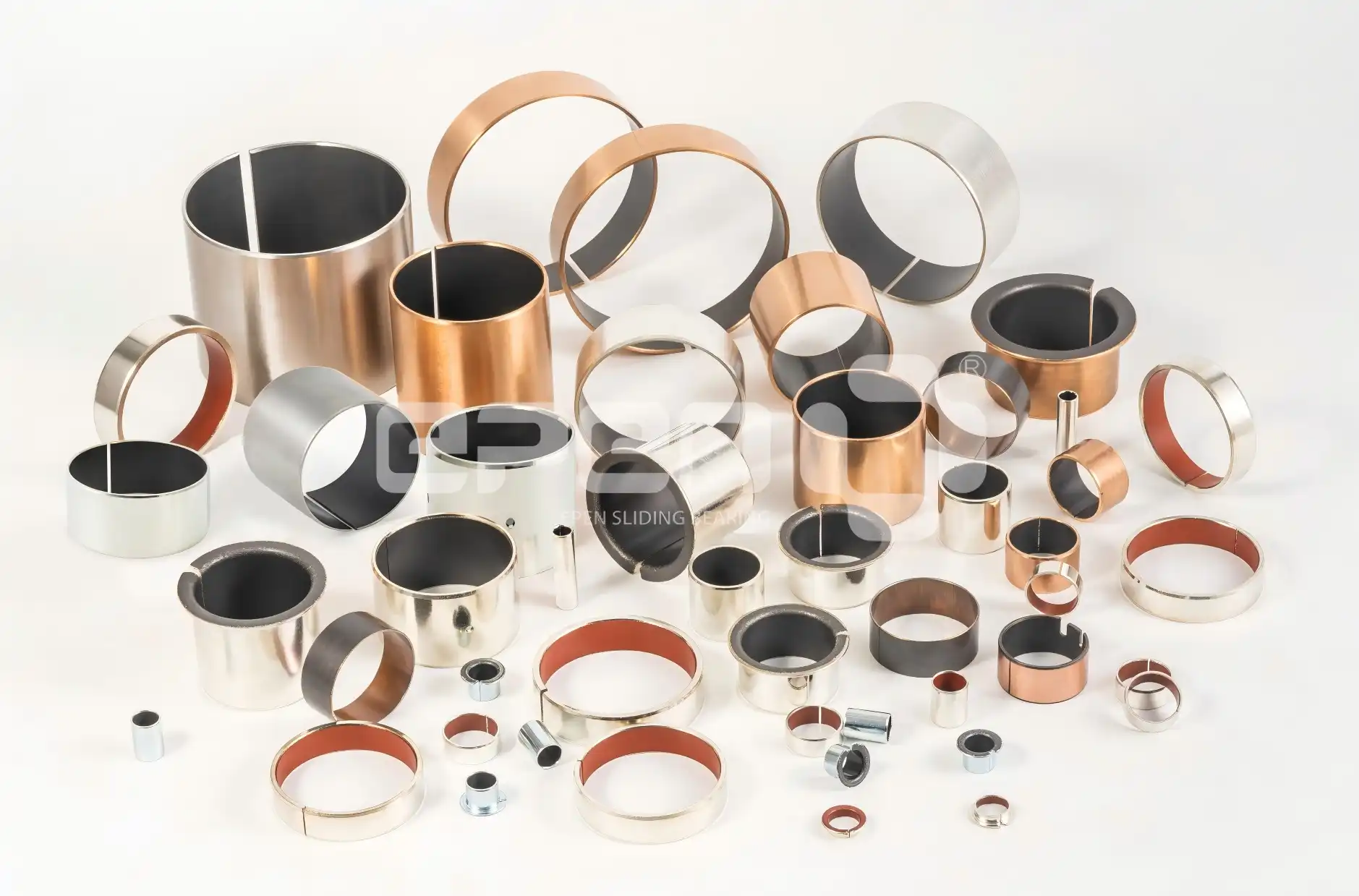
What Are EU POM Bushings?
EU POM bushings are engineered plain bearings made from POM (Polyoxymethylene), a high‑strength engineering polymer known for:
Low friction coefficient
Excellent dimensional stability
Good wear and fatigue resistance
Resistance to moisture and chemicals
These qualities make POM bushings ideal for a wide range of applications, including:
Automotive components
Industrial automation systems
Packaging equipment
Agricultural machinery
Material handling
🔗 Product Reference: Learn more about CNEPEN’s EU POM bushing options
https://www.cnepen.com/pom-bushings
Why Compare China and Germany?
China and Germany are both major global sources for engineered components. However, they take different approaches in production, cost structure, and market positioning.
China
High‑volume manufacturing capability
Competitive labor and overhead costs
Large supply chain ecosystem
Shorter delivery lead times for APAC markets
Germany
Highly automated precision manufacturing
Strong quality control and compliance
Higher material and labor costs
Excellent reputation in EU and OEM markets
Understanding these differences is essential for evaluating cost vs performance trade‑offs in a global supply strategy.
Cost Components of EU POM Bushings
When comparing costs, it’s important to look at more than just the unit price. Key cost components include:
Material Cost
Raw POM resin price
Additives for wear, temperature, or chemical resistance
Manufacturing Cost
Machining or molding precision
Tolerances and surface finish quality
Quality testing and inspection
Logistics and Lead Time
Shipping costs to end destination
Customs and regulatory compliance
Lifecycle Cost
Wear rate and service life
Maintenance requirements
Downtime savings
China: Lower Unit Costs with Scalable Production
Production Cost
China continues to lead in lower production costs for EU POM bushings due to:
Economies of scale
Lower labor rates
Mature polymer processing infrastructure
This means Chinese‑made POM bushings often come with a competitive price per unit, especially for high‑volume orders.
Quality & Performance
Modern Chinese manufacturers have improved production quality through:
Precision CNC machining
Advanced injection molding
Quality monitoring systems
However, variability in quality standards exists among suppliers. Choosing an experienced and certified manufacturer like CNEPEN can mitigate these risks.
Germany: Higher Production Costs but Premium Quality
Production Cost
German manufacturers have high labor and overhead costs, which often results in higher unit prices for EU POM bushings compared to Chinese suppliers.
However, this price reflects:
Stringent manufacturing tolerances
Automated production lines
Extensive quality assurance
This “premium” positioning is frequently associated with:
Better fatigue performance
Higher dimensional accuracy
Consistent batch quality
Cost Comparison: China vs Germany (2025)
| Cost Factor |
China POM Bushings |
Germany POM Bushings |
| Unit Production Cost |
Lower |
Higher |
| Quality Consistency |
Medium–High (varies by supplier) |
Very High |
| Lead Time to APAC |
Shorter |
Longer |
| Compliance Costs |
Moderate |
Higher (EU standards) |
| Lifecycle Value |
Good (with proper QA) |
Excellent |
Total Cost of Ownership Matters
Selecting a source only based on unit price can be misleading. A more holistic view should include:
Bearing service life
Downtime mitigation
Warranty and support
Application conditions (load, speed, temperature)
For example, a slightly higher upfront cost can be justified if it delivers:
Longer wear life
Less frequent replacements
Lower secondary maintenance costs
Where CNEPEN Fits In
For many global buyers—including customers from Australia, Europe, the Middle East, and North America—CNEPEN bridges the best of both worlds:
✔ Competitive pricing through efficient Chinese manufacturing
✔ High quality through strict QA and engineering standards
✔ Support for custom POM bushing designs
✔ Stable supply for OEM and aftermarket needs
Whether you're sourcing for high volumes or specialized applications requiring tight tolerances, CNEPEN offers solutions that deliver value without compromises.
The 2025 cost comparison between EU POM bushings from China vs Germany highlights a fundamental trade‑off:
China offers better unit pricing and faster supply for large orders.
Germany delivers premium quality and consistency backed by stringent manufacturing standards.
For most global buyers, the choice depends on application complexity, budget constraints, and long‑term operating expectations.
When evaluating suppliers, consider not just the price tag, but the total cost of ownership—including wear life, maintenance, and reliability.
For engineered, cost‑effective, and reliable POM bushings from China that meet international expectations, explore CNEPEN’s product range.
FAQs
What factors will most influence the cost of EU POM bushings in 2025?
Key factors include raw material costs, labor expenses, energy efficiency, technological advancements, and trade policies. Both Chinese and German manufacturers are expected to invest in automation and sustainable practices, which may impact pricing strategies.
Will Chinese EU POM bushings be significantly cheaper than German ones in 2025?
While Chinese manufacturers are likely to maintain a cost advantage, the gap is expected to narrow. German producers may offset higher costs with superior quality and value-added services, making the choice more complex than just price comparison.
Expert EU POM Bushing Solutions | EPEN
At EPEN, we specialize in manufacturing high-quality EU POM bushings that meet global standards. Our state-of-the-art factory combines advanced technology with cost-effective production methods, offering competitive pricing without compromising on quality. As a leading manufacturer, we provide customized solutions to meet your specific needs. For expert advice and quotes on EU POM bushings, contact our team at epen@cnepen.cn.
References
Zhang, L. (2024). "Advancements in POM Bushing Manufacturing: A Comparative Study of China and Germany." Journal of Industrial Engineering, 45(2), 178-195.
Schmidt, H. (2023). "Industry 4.0 Implementation in German Bearing Production." Advanced Manufacturing Technologies, 18(4), 302-317.
Wang, Y., & Meyer, K. (2024). "Cost Analysis of EU POM Bushings: Global Market Trends 2025." International Journal of Production Economics, 230, 108-123.
Müller, G. (2023). "Sustainability in Polymer Bearing Production: A European Perspective." Green Manufacturing and Operations, 12(3), 245-260.
Li, X., & Johnson, R. (2024). "Trade Dynamics in the Global Bearing Industry: China and Germany in Focus." World Economy, 47(6), 789-805.
Brown, S. (2023). "Total Cost of Ownership in Industrial Components: The Case of EU POM Bushings." Strategic Sourcing Journal, 15(2), 112-127.

_1768997856111.webp)
_1769165124225.webp)