Excessive wear in sliding bearings is one of the most common causes of premature equipment failure in industrial machinery. Whether in oscillatory motion, linear motion, or heavy-load applications, abnormal wear not only shortens bearing service life but also leads to increased noise, vibration, energy loss, and unplanned downtime.
For OEMs, maintenance engineers, and industrial buyers worldwide, understanding the root causes of excessive wear in sliding bearings is essential for improving reliability and reducing total cost of ownership.
This article provides a practical engineering analysis of the main wear mechanisms and explains how proper bearing selection and design—such as solutions offered by CNEPEN—can effectively prevent premature wear.
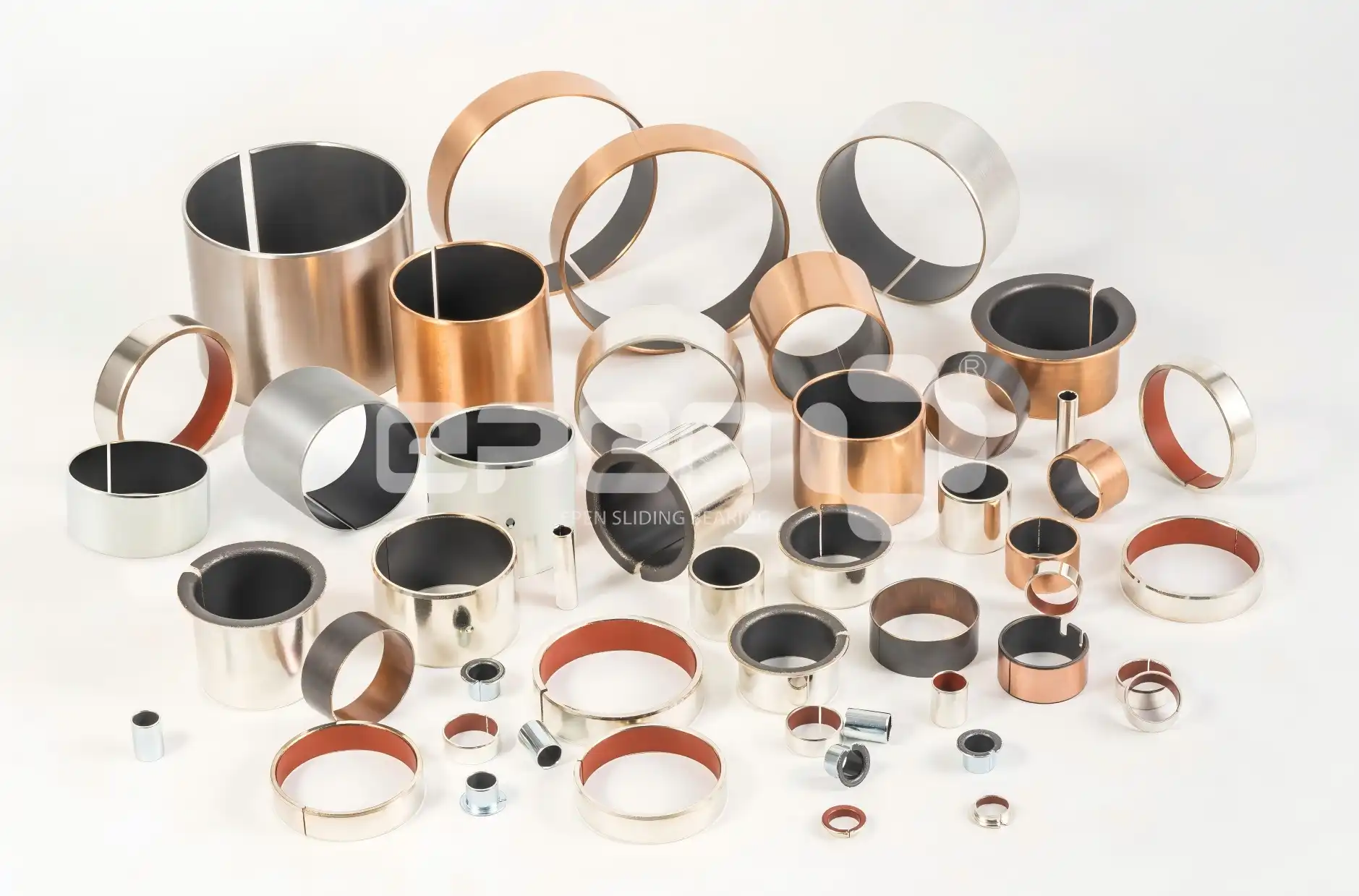
What Is Excessive Wear in Sliding Bearings?
Sliding bearings are designed to operate with controlled, predictable wear over their service life. Excessive wear occurs when material loss accelerates beyond the expected rate, resulting in:
Increased clearance and loss of motion accuracy
Abnormal noise and vibration
Elevated operating temperatures
Risk of secondary damage to shafts and housings
In many cases, wear is not caused by a single factor, but by a combination of design, material, lubrication, and operating conditions.
🔗 Explore CNEPEN sliding bearing solutions
https://www.cnepen.com/sliding-bearings
Root Cause 1: Inadequate or Incorrect Lubrication
Wear Mechanism
Insufficient lubrication leads to boundary or dry friction, causing direct contact between mating surfaces and rapid material removal.
Typical Scenarios
Start-stop or oscillatory motion
High-temperature environments
Improper lubricant selection
Prevention Strategies
Use self-lubricating or maintenance-free sliding bearings
Match lubrication type to load, speed, and temperature
Avoid lubricant starvation or over-lubrication
🔗 Self-lubricating sliding bearings by CNEPEN
https://www.cnepen.com/self-lubricating-bearings
Root Cause 2: Incorrect Bearing Material Selection
Wear Mechanism
When bearing materials are not suited to the operating conditions, accelerated adhesive or abrasive wear occurs.
Common Mistakes
Using standard polymer bearings in high-temperature zones
Selecting soft materials for heavy-load applications
Ignoring corrosion or chemical exposure
Prevention Strategies
Choose material systems based on real operating conditions
Use composite or bi-metallic bushings for high loads
Select corrosion-resistant materials for aggressive environments
Root Cause 3: Excessive Load and Shock Loading
Wear Mechanism
Loads exceeding the bearing’s design limit cause plastic deformation and surface fatigue, accelerating wear.
Typical Applications
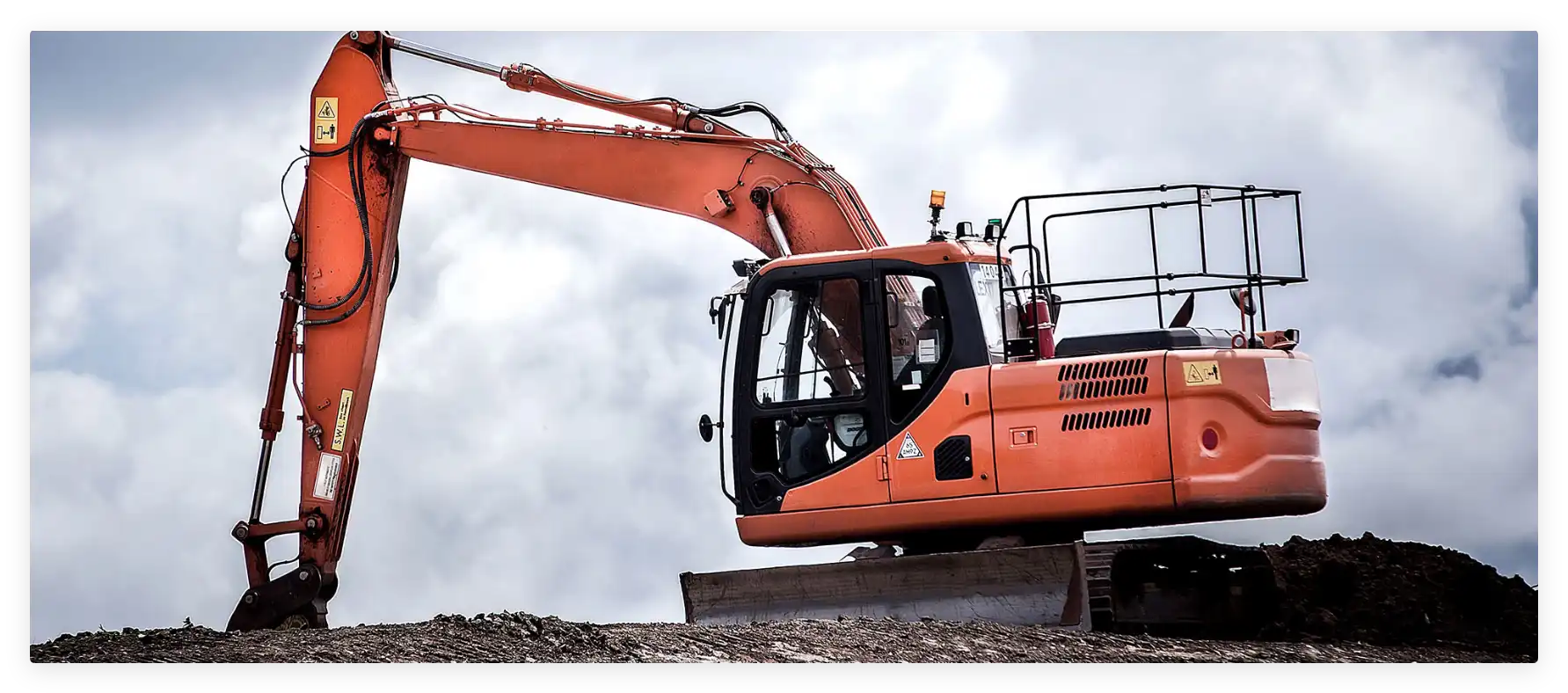
Construction machinery
Mining equipment
Agricultural and earth-moving machines
Prevention Strategies
Increase bearing contact area
Use reinforced or bi-metallic sliding bearings
Optimize load distribution during the design stage
Root Cause 4: Misalignment and Installation Errors
Wear Mechanism
Misalignment creates localized stress concentrations, leading to uneven wear patterns and early failure.
Warning Signs
One-sided wear
Knocking noise during operation
Rapid clearance increase
Prevention Strategies
Ensure proper shaft and housing tolerances
Use bearing designs tolerant to misalignment
Follow correct press-fit and installation procedures
Root Cause 5: Contamination by Dust, Particles, or Moisture
Wear Mechanism
Foreign particles act as abrasives, damaging the bearing surface and accelerating material loss.
High-Risk Environments
Mining and cement plants
Construction sites
Middle East desert conditions
Prevention Strategies
Use sealed or maintenance-free sliding bearings
Improve system sealing and cleanliness
Select abrasion-resistant bearing materials
🔗 Sliding bearings for harsh environments
https://www.cnepen.com/heavy-duty-bearings
Root Cause 6: High-Temperature Operation
Wear Mechanism
Elevated temperatures degrade lubricants and weaken bearing materials, increasing wear rates.
Typical Industries
Steel and metal processing
Energy and power generation
Industrial furnaces
Prevention Strategies
Use high-temperature sliding bearing materials
Avoid standard polymers in thermal-critical zones
Consider dry-running or solid-lubricant designs
Root Cause 7: Fatigue Wear from Repeated Cyclic Motion
Wear Mechanism
Repeated cyclic stress causes micro-cracks and surface fatigue, leading to progressive material loss.
Common in
Oscillatory motion systems
Linear motion with short strokes
Hydraulic and articulated joints
Prevention Strategies
Optimize bearing surface structure
Reduce peak stresses through better design
Replace bearings before end-of-life failure
Why Partnering with the Right Manufacturer Matters
Excessive wear is rarely accidental—it is often the result of improper material selection or insufficient application analysis.
By working with an experienced manufacturer like CNEPEN, OEMs and engineers benefit from:
Application-specific material recommendations
Proven designs for oscillatory and linear motion
Reliable solutions for high temperature and harsh environments
Consistent quality and global supply capability
🔗 Contact CNEPEN for engineering support
https://www.cnepen.com/contact-us
In total: Control Wear, Extend Bearing Life
Excessive wear in sliding bearings is a predictable and preventable problem when its root causes are properly understood. Through correct material selection, optimized design, and professional manufacturing support, engineers can significantly extend bearing service life and improve system reliability.
For durable, engineered sliding bearing solutions, trust CNEPEN to support your applications worldwide.
About Epen: Your Trusted Plain Bearing Partner
Jiashan Epen Bearing Co., Ltd. is a professional company that makes a wide range of plain bearings and wear plates designed to meet the needs of different industries. Our company has grown quickly and can now supply all kinds of sliding bearings while still focusing on quality and innovation.
We know a lot about making many different kinds of bearings, such as metal-plastic composites, bimetal designs, and sliding bearings made of just one metal. These goods are very important for the car, metallurgy, engineering machinery, construction equipment, plastics processing, machine tool, and water conservancy sectors.
We stress the ongoing use of research and development in new materials and manufacturing technologies. This makes sure our products meet the needs of a changing industry. We can make both standard catalog sizes and specialized custom designs at low prices while keeping high quality that exceeds global standards.
Our quality assurance processes oversee every part of our manufacturing, from choosing the materials to the final inspection. We are committed to supply chain integrity, which guarantees that products are always available and deliveries are on time in both the U.S. and global markets.
FAQs
What are the most obvious signs of plain bearing wear?
Running the machine makes a louder noise, raises temperatures, scores or pits the surface, makes it less smooth, and contaminates the lubricant with metal particles. These are key indicators. Regular checks detect issues early and allow maintenance.
Does the environment affect bearing breakdown speed?
Extreme heat, cold, moisture, dust, or chemicals break things down faster. Bearings and materials are easily damaged in salty marine environments. Extra help is needed.
How do you maintain bearings?
Good maintenance includes using the right lubricant, sealing systems to keep dirt out, lining up everything, and watching the load to avoid overloading. Regular inspections detect issues early.
Partner with Epen for Superior Bearing Solutions
Epen offers procurement managers and engineers looking for dependable sliding bearings manufacturers great value. Our large product catalog includes both standard and custom bearings that are made to help machinery work better in tough industrial settings.
We have the technical knowledge to help you with your bearing issues and performance needs in detailed, one-on-one conversations. We know how important it is to choose the right bearings for the lifespan and efficiency of your equipment, and we offer advice that helps you make the best purchasing choices.
Comprehensive support services include giving detailed price information, making custom proposals, and providing technical help through our global distributor network. This infrastructure speeds up your procurement processes and makes sure that bearing solutions of high quality are delivered quickly all over the world.
Ready to talk about what you need from your bearings? For expert advice and good prices on all of our plain bearing products, email epen@cnepen.cn to get in touch with us.
References
Hutchings, Ian M., and Philip Shipway. "Tribology: Friction and Wear of Engineering Materials." 2nd Edition. Butterworth-Heinemann, 2017.
Neale, Michael J. "The Tribology Handbook." 2nd Edition. Butterworth-Heinemann, 1995.
Booser, E. Richard. "CRC Handbook of Lubrication and Tribology, Volume III: Monitoring, Materials, Synthetic Lubricants, and Applications." CRC Press, 1994.
Williams, John A. "Engineering Tribology." Cambridge University Press, 2005.
Lansdown, A.R., and A.L. Price. "Materials to Resist Wear: A Guide to their Selection and Use." Pergamon Press, 1986.
Stachowiak, Gwidon W., and Andrew W. Batchelor. "Engineering Tribology." 4th Edition. Butterworth-Heinemann, 2013.