5 Common Mistakes in Sliding Bearing Installation And How to Avoid Them
1. Ignoring Shaft and Housing Surface Finish
- 1. Ignoring Shaft and Housing Surface Finish
- 2. Neglecting Cleanliness: The “Invisible Contamination” Problem
- 3. Improper Fit and Misalignment
- 4. Using the Wrong Lubrication Strategy
- 5. Overlooking Thermal Expansion
- Conclusion-Installation Determines Bearing Life
- FAQ
- Partner with Epen for Reliable Sliding Bearing Solutions
- References
Sliding bearings, also known as plain bearings or bushings, are critical components in heavy-duty machinery. From wind turbines to high-speed rail systems, their performance directly impacts equipment reliability, efficiency, and lifecycle cost. However, even high-quality bearings—such as custom-engineered solutions from CNEPEN Sliding Bearings—can fail prematurely if installation best practices are not followed.
This guide outlines the most common sliding bearing installation mistakes and how to avoid them to ensure optimal performance and extended service life.
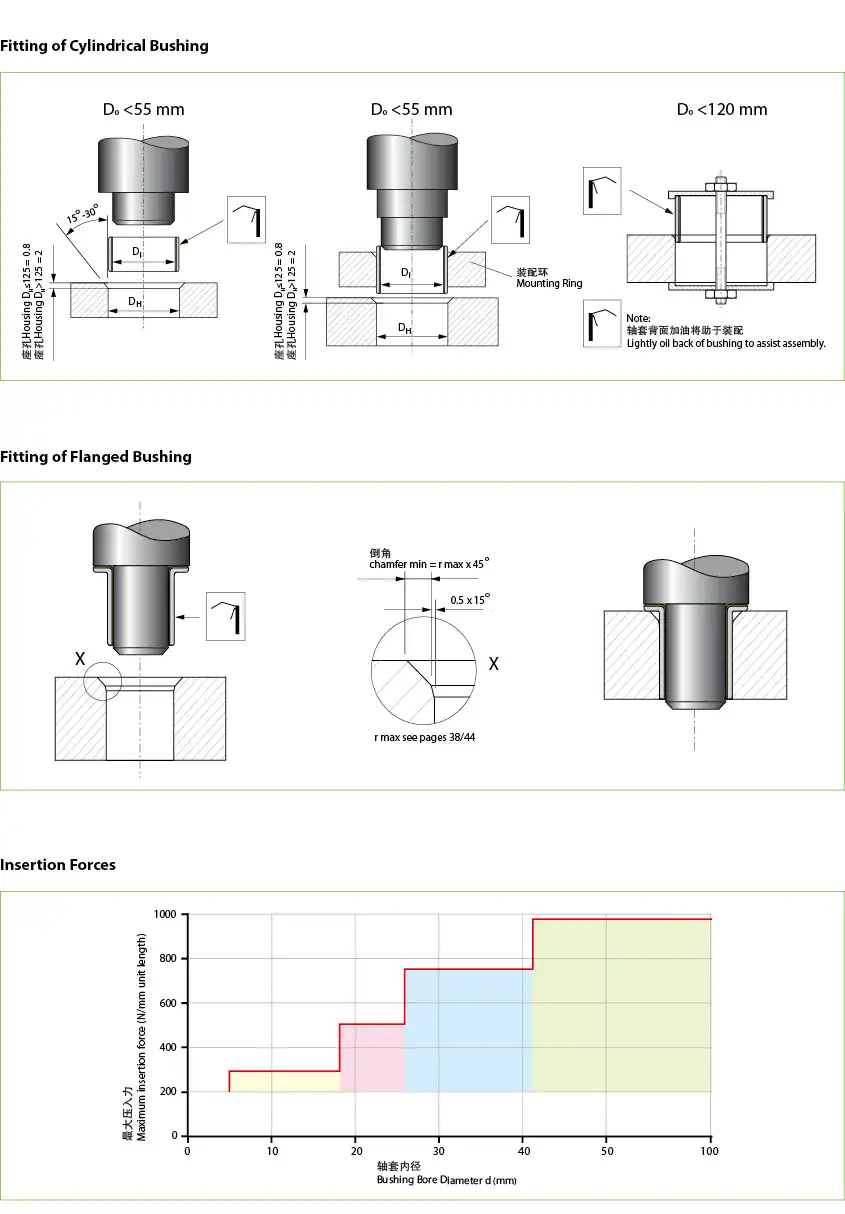
Bearing Installation
1. Ignoring Shaft and Housing Surface Finish
The Mistake
Many installers focus only on dimensional tolerances while overlooking surface roughness. However, improper surface finish disrupts lubricant film formation:
Too smooth → prevents hydrodynamic oil film formation → boundary lubrication & seizure
Too rough → accelerates wear of the bearing lining
How to Avoid It
Follow roughness specifications (Ra/Rz) based on standards such as ISO 7148.
Best practices include:
Use a profilometer to verify surface finish
Maintain cross-hatch patterns (~45°) for oil retention
Avoid surface damage during handling
👉 For demanding applications, consider custom sliding bearing solutions designed to match specific shaft and lubrication conditions.
2. Neglecting Cleanliness: The “Invisible Contamination” Problem
The Mistake
“Visually clean” is not truly clean. Microscopic contaminants (dust, fibers, metal particles) can:
Embed into soft bearing materials
Scratch shaft surfaces
Accelerate wear and failure
How to Avoid It
Adopt a precision-level cleaning process:
Use lint-free cloths and industrial solvents
Avoid compressed air (can embed particles)
Keep bearings sealed until installation
👉 High-performance self-lubricating bushings are especially sensitive to contamination and require strict cleanliness control during installation.
3. Improper Fit and Misalignment
The Mistake
Common issues include:
Incorrect fit (too loose or too tight)
Forcing installation with a hammer
Misalignment during press-fitting
Even minimal misalignment can cause:
Edge loading
Lubrication film breakdown
Localized overheating
How to Avoid It
Use correct interference fit as specified
Install using an arbor press with alignment tools
Ensure locating features are properly seated
👉 Explore precision-engineered bearing bushings that are manufactured for tight tolerance control and easier installation.
4. Using the Wrong Lubrication Strategy
The Mistake
Lubrication failures often stem from:
Incorrect lubricant type (oil vs grease)
Improper viscosity
Dry start conditions
This can result in:
Excessive friction
Heat buildup
Rapid wear
How to Avoid It
Follow OEM lubrication specifications
Perform pre-lubrication before startup
Avoid over- or under-lubrication
👉 For maintenance-free applications, CNEPEN self-lubricating bearing solutions eliminate many lubrication-related risks.
5. Overlooking Thermal Expansion
The Mistake
Ignoring temperature variation leads to incorrect operating clearance:
Clearance too small → seizure risk
Clearance too large → vibration & instability
How to Avoid It
Calculate thermal expansion of shaft, housing, and bearing
Design for operating temperature conditions
Use controlled heating methods (e.g., induction heaters) for installation
👉 Advanced custom bearing engineering services help optimize clearance and material selection for high-temperature environments.
Conclusion-Installation Determines Bearing Life
The difference between premature failure and long-term reliability often comes down to microns—and proper installation practices.
By focusing on:
Surface finish control
Cleanliness
Proper alignment and fit
Correct lubrication
Thermal expansion management
engineers can significantly improve equipment reliability and reduce downtime.
For industries requiring high reliability and tailored performance, partnering with an experienced manufacturer like CNEPEN ensures not only high-quality products but also application-specific engineering support.
FAQ
What are the most critical factors in sliding bearing surface preparation?
The most important things for preparation are a clean surface, the right hardness values, and getting rid of any contamination. Meeting the manufacturer's standards for the surface finish and following clean handling methods during installation will ensure that the bearing works well and lasts a long time.
How do I determine proper bearing clearance values?
When figuring out bearing space, you have to take into account working loads, thermal growth, and the need for lubrication. Manufacturer specs give starting points for numbers that need to be changed to fit different temperatures, working conditions, and application needs. Professional measuring tools make sure that the gap is checked correctly during installation.
What lubrication method works best for heavy machinery applications?
Depending on the load and speed of operation, heavy machinery usually needs oil drainage systems or high-capacity grease greasing. For uses that only run sometimes, circulation systems are better at keeping things cool and preventing contamination, while grease systems are easier to use and require less upkeep.
Partner with Epen for Reliable Sliding Bearing Solutions
Jiashan Epen Bearing Co. Ltd. uses its many years of experience making things and cutting-edge material technology to make sliding bearings that are better for tough industrial uses. We have a wide range of products, such as metal-plastic composite bearings, bimetal designs, and specialized wear plates made for use in building, automobile, and industrial machines. As a sliding bearing maker with a lot of knowledge, we offer expert support, custom sizing, and cost-effective choices that help you avoid common fitting mistakes. Get in touch with our engineering team at epen@cnepen.cn to talk about your unique bearing needs and take advantage of our years of experience providing reliable, long-lasting bearing solutions.
References
Johnson, Mark A. "Industrial Bearing Installation Best Practices and Common Failures." Mechanical Engineering Technology Review, vol. 45, no. 3, 2023, pp. 78-94.
Thompson, Sarah L. "Surface Preparation Requirements for Sliding Bearing Applications in Heavy Machinery." Journal of Industrial Maintenance, vol. 28, no. 7, 2023, pp. 156-172.
Williams, Robert K. "Lubrication System Design for High-Load Bearing Applications." Tribology and Maintenance Engineering, vol. 34, no. 2, 2023, pp. 89-105.
Chen, David M. "Load Capacity Analysis and Temperature Management in Industrial Bearing Systems." Engineering Reliability Quarterly, vol. 19, no. 4, 2023, pp. 203-219.
Anderson, Jennifer P. "Training Program Effectiveness in Reducing Bearing Installation Failures." Industrial Training and Development, vol. 31, no. 6, 2023, pp. 112-128.
Martinez, Carlos R. "Alignment Techniques and Measurement Protocols for Precision Bearing Installation." Manufacturing Engineering Standards, vol. 42, no. 9, 2023, pp. 67-83.

Dr. Eleanor "Ellie" Penn
Dr. Eleanor "Ellie" Penn is our Senior Tribology Specialist at Epen, where she bridges the gap between deep material science and real-world engineering challenges. With over 15 years of experience in the field of sliding bearings and self-lubricating materials, she possesses a passion for solving the most complex problems of friction, wear, and maintenance. Ellie holds a Ph.D. in Mechanical Engineering with a focus on tribology. Her mission is to empower engineers and maintenance professionals with practical knowledge and best practices that extend equipment life, reduce downtime, and drive innovation. When she's not in the lab or writing, you can find her volunteering at STEM workshops to inspire the next generation of engineers. Areas of Expertise: Sliding Bearing Design, Material Selection, Failure Analysis, Preventive Maintenance, Application Engineering.
Contact to EPEN Bearing
If you have any questions please do not hesitate to call or write us.
Recommended Blog
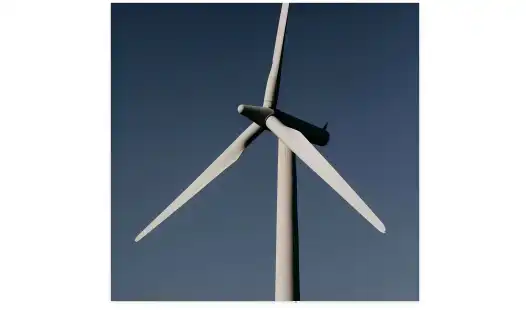
The Critical Role of Plain Bearings in Wind Turbines